%2Ffit-in%2F250x250%2Fguide_websites%2F4096%2Fimages%2Fhookeduphorizental.png&w=1920&q=100)
/users/8b794b98-b09b-4c12-a59d-f603ad50a684/ratecard/323381059_550382473646777_8284543072191296049_n.jpg)
%2F300x300%2Fusers%2F8b794b98-b09b-4c12-a59d-f603ad50a684%2Fratecard%2F323381059_550382473646777_8284543072191296049_n.jpg&w=256&q=75)
%2Ffilters%3Aformat(webp)%2F300x300%2F64a50120-b871-47fc-803f-590c7930c3d0%2Freport%2Fsocial%2Fimages%2Freport%2Flake-murray-trolling-light-tackle-11729.png&w=256&q=75)
%2Ffilters%3Aformat(webp)%2F300x300%2F112d3a3b-3781-4c96-9393-023389d694ab%2Freport%2Fsocial%2Fimages%2Freport%2Fstriped-bass-fishing-lexington-sc-11644.png&w=256&q=75)
%2Ffilters%3Aformat(webp)%2F300x300%2F9ce3b232-fa88-428e-804b-9a91b12edd2c%2Freport%2Fsocial%2Fimages%2Freport%2Ftrolling-light-tackle-lake-murray-12064.png&w=256&q=75)
%2Ffilters%3Aformat(webp)%2F300x300%2Ff72a8e91-ab3f-4ebe-8b8d-47bff77c6abb%2Freport%2Fsocial%2Fimages%2Freport%2Fstriped-bass-lake-murray-9886.png&w=256&q=75)
%2Ffilters%3Aformat(webp)%2F300x300%2Ff72a8e91-ab3f-4ebe-8b8d-47bff77c6abb%2Freport%2Fsocial%2Fimages%2Freport%2Fstriped-bass-fishing-lake-murray-11179.png&w=256&q=75)
Lake Murray Summer Striper Fishing | Hooked Up

 Lexington, SC
What you will be catching:
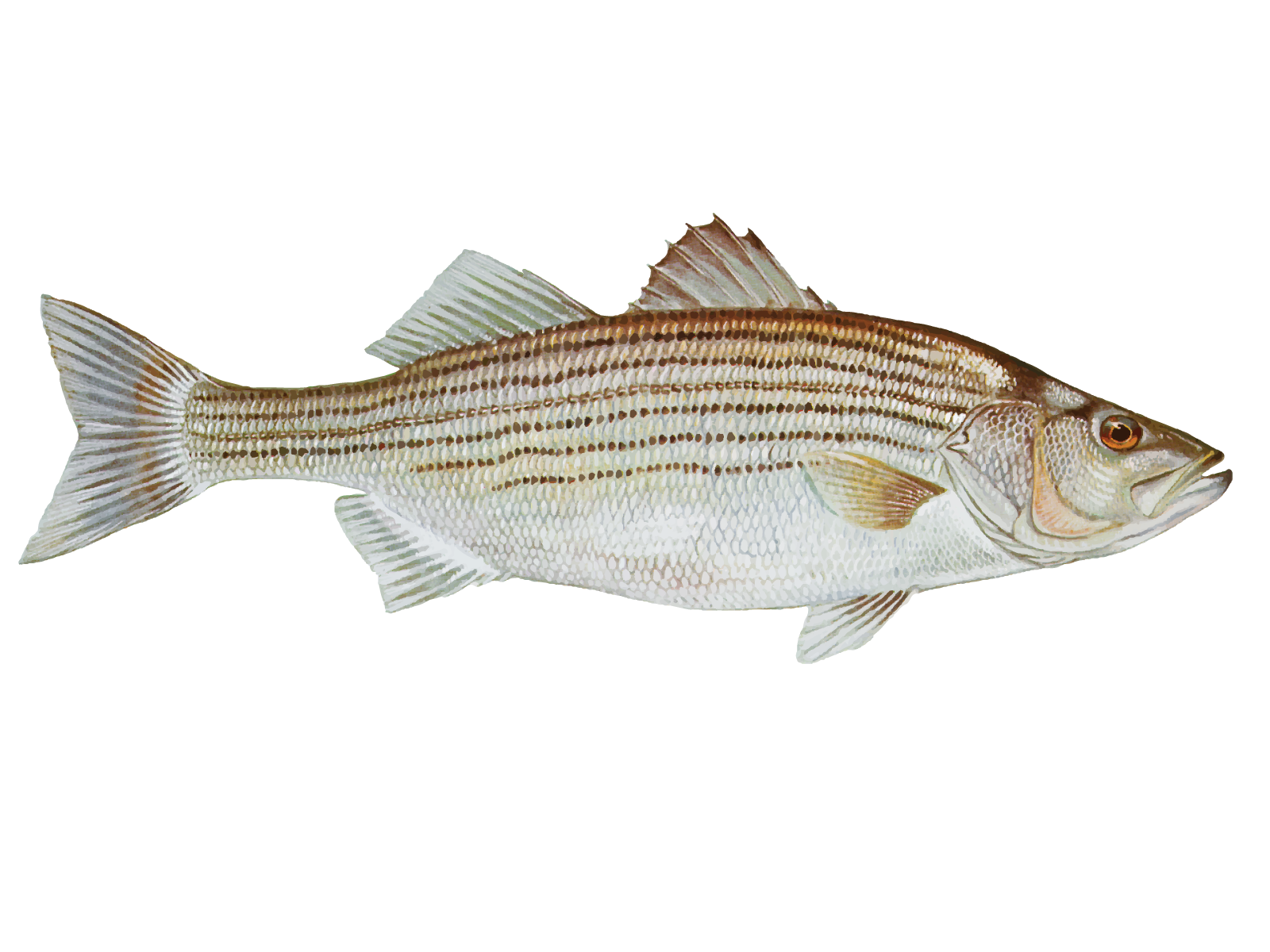 Striped Bass
- Premier striped bass fishing on Lake Murray with expert guides
- Small groups of three anglers ensure personalized attention and rod time
- All tackle provided with trips offered three times daily June-October
Trip Pricing and Availabilities:
Lake Murray Striped Bass Fishing | Summer Trips
Lake Murray has earned its reputation as South Carolina's striped bass capital, and there's no better way to experience it than with Captain Danny Kimble and Hooked Up On Striper Guide Service. From June through October, when the lake's famous stripers are most active, we run three daily trips designed to put you on fish fast. Whether you're a seasoned angler or picking up a rod for the first time, you'll find yourself in the perfect spot to land some serious striped bass while soaking up the natural beauty of this 50,000-acre gem.
What to Expect on the Water
Your Lake Murray adventure starts early when the stripers are hungry and actively feeding. Captain Danny knows these waters like the back of his hand – every creek mouth, every point, every structure that holds fish throughout the summer months. You'll be fishing with top-quality gear and tackle specifically chosen for Lake Murray's conditions, so all you need to bring is your fishing license and maybe a cooler for your catch. The boat is equipped with everything from electronics to locate schools of fish to comfortable seating for up to three guests. Don't worry about experience level – Danny's patient teaching style means everyone gets in on the action, and his track record speaks for itself. Most trips see guests limiting out well before the day is done, giving you plenty of time to enjoy the scenery and maybe try different techniques.
Techniques That Get Results
Captain Danny employs a variety of proven methods depending on conditions and fish behavior. During the summer months, you'll likely be using live bait like herring or shad, which Lake Murray stripers absolutely love. The technique often involves trolling over structure and drop-offs where stripers school up to feed, but don't be surprised if you're anchored over a honey hole casting directly to feeding fish. Danny's got the electronics to mark fish and the knowledge to read the water conditions, wind, and temperature to determine the best approach for that particular day. You might find yourself using downriggers in deeper water or casting topwater lures during those magical early morning hours when stripers are busting baitfish on the surface. The beauty of fishing with an experienced guide is adapting to what's working right now, not what worked last week.
Customer Stories
"Danny had us on the fish within 15 minuets We sure enjoyed it I highly recommend booking him" - Lyle. "Danny was fantastic and very knowledgeable. He was well adept to boating, fishing and location. We had a blast! Caught our limit of striper well within our time allotted. Will be back next year! Thanks Danny!" - Patty. "I've chartered Danny five or six times now and he ALWAYS catches fish! Highly recommend Hooked Up On Striper." - Chance.
Species You'll Want to Hook
Lake Murray's striped bass are the main attraction, and for good reason. These powerful fish typically range from 3 to 8 pounds, with plenty of double-digit specimens pulled from the lake's depths each season. Stripers are most active during the cooler parts of the day, which is why those early morning and evening trips are so productive. What makes these fish so exciting to catch is their fighting ability – they'll make long runs, dive deep, and test your drag system. Lake Murray's stripers feed heavily on the lake's abundant shad population, which keeps them healthy and aggressive. The summer months from June to October represent peak season because water temperatures are optimal and baitfish are plentiful. During this time, you'll find stripers schooling in deeper water during the heat of the day and moving shallow to feed during low-light periods. The lake's many creek arms and points provide perfect ambush spots where these predators wait for unsuspecting shad schools. What really gets anglers excited is the consistency – Lake Murray's striper population is robust and well-managed, meaning your chances of success are high every time you hit the water.
Time to Book Your Spot
Lake Murray's summer striper season is prime time, and spots with Captain Danny fill up fast for good reason. With his consistent track record of putting clients on fish and creating memorable experiences, you'll want to secure your dates early. The three daily trips mean flexibility in scheduling, whether you prefer the early morning bite, midday action, or evening fishing when the lake starts to cool down. Remember that cancellations made within seven days of your trip date will result in the full trip amount being charged to your deposit card, so plan accordingly. This Lake Murray striper fishing experience delivers exactly what serious anglers and families looking for fun are after – plenty of fish, expert guidance, and memories that'll have you planning your next trip before this one's even over. Don't let another summer season pass without experiencing what many consider the best striper fishing in South Carolina.
Customer Reviews
Danny Delivers Fast

Lyle Retherford
June 2, 2025
Quick Fish Success
Danny had us on the fish within 15 minuets We sure enjoyed it I highly recommend booking him
Lyle Retherford
June 2, 2025
Danny Makes Magic
I went with my wife fishing it was fantastic experience. Thanks to Mr. Danny that made it possible 👍 very good service
Carlos Aguirre
June 20, 2024
Striper Limit Master
Danny was fantastic and very knowledgeable. He was well adept to boating, fishing and location. We had a blast! Caught our limit of striper well within our time allotted. Will be back next year! Thanks Danny!
Patty Blackwell
June 20, 2024
Limit Reached Again
Captain Danny was extremely knowledgeable and a genuinely nice guy. He took us to catch some striper and we did not stop dropping lines until we had our limit! Thanks again Danny for a wonderful day. My family and I had a blast.
Lori Kreider
June 7, 2025
Danny Knows the Spots
Lot of fish! Captain Danny Kimble knew exactly where to go and put us on the fish! Thanks for a great time. My son and I will be back for sure!
Matt Maiura
August 7, 2023
Always Catches Fish
I've chartered Danny five or six times now and he ALWAYS catches fish! Highly recommend Hooked Up On Striper.
Chance Raehn
June 21, 2024
Six for Six Winner
#hammertime again today and every time with Danny. He always puts you on the big fish. Have always limited every time, 6 for 6. Highly recommend.
Chance Raehn
August 12, 2024
Danny is the Best
Fantastic trip ! Danny is the best and a lot of fun! Please note that somehow my first review got jacked up ! It was a 5 star experience in every aspect
Rock Reed
July 1, 2024
Learn more about the species
Striped Bass
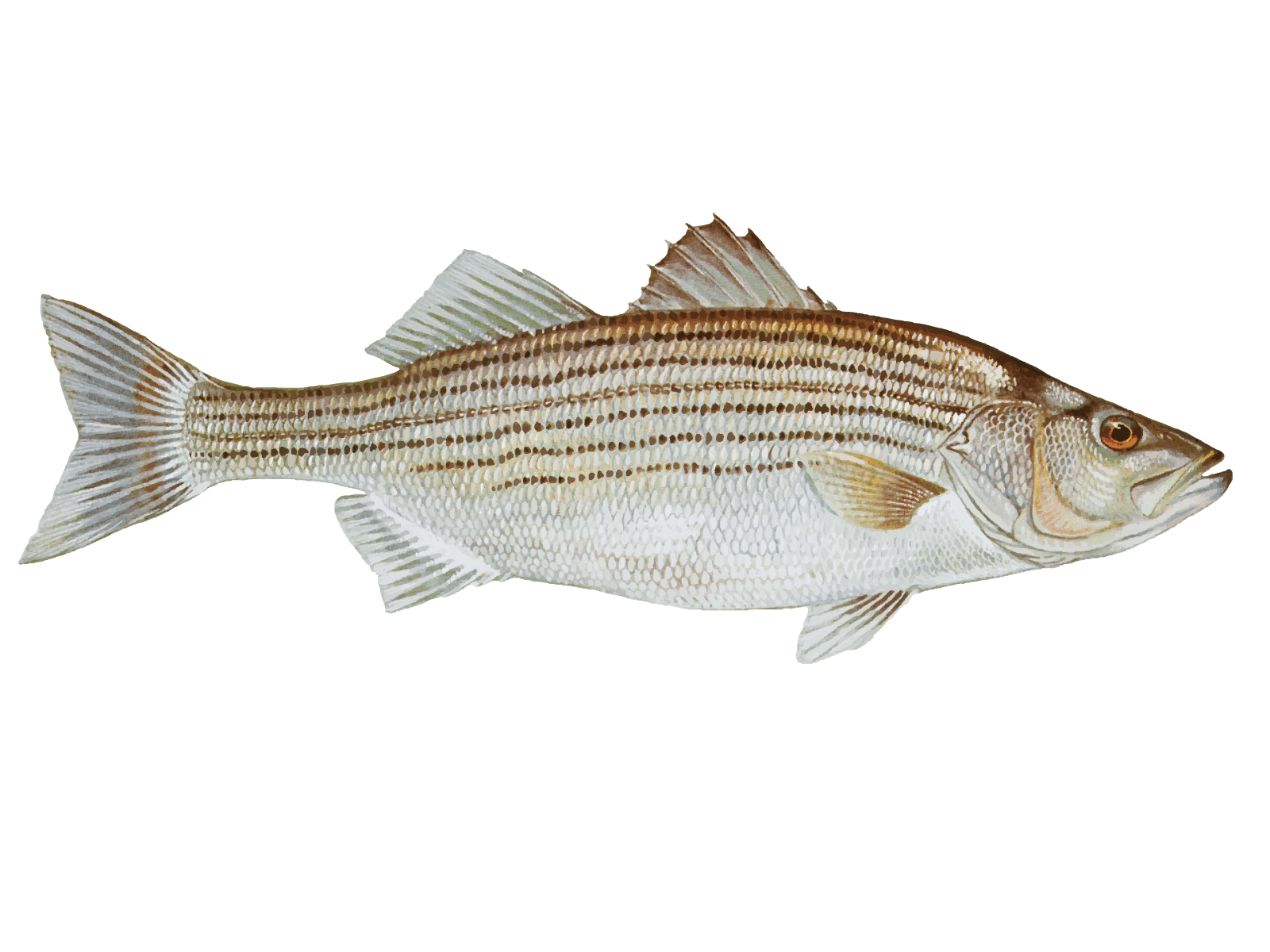
Lake Murray's striped bass are the main attraction here, and for good reason. These silver-sided fighters with their distinctive dark horizontal stripes typically run 15-25 pounds, though we regularly see fish pushing 30+ pounds. What makes them special is their power - once hooked, they'll make strong runs and put up a real battle that gets everyone's adrenaline pumping. During our summer season, stripers move to deeper water during the day, usually 25-40 feet down around submerged creek channels and drop-offs. Early morning and evening are prime time when they come up to feed in the shallows. The meat is excellent eating too - firm, white, and mild-flavored that grills up perfectly. Here's a local tip that works well on Murray: focus on the main lake points where creeks enter. The stripers use these as highways, and you'll often find schools stacked up there. We like to fish live herring or big swimbaits in these spots, especially when the water temperature hits that sweet spot between 60-75 degrees.
About the Glass Master
%2F%2Fusers%2F8b794b98-b09b-4c12-a59d-f603ad50a684%2Fvehicle_picture%2Fhookeduponstriperguideservicellc.jpg&w=1920&q=75)
Vehicle Guest Capacity: 6
Manufacturer Name: Suzuki
Maximum Cruising Speed: 20
Number of Engines: 1
Horsepower per Engine: 200

Danny had us on the fish within 15 minuets We sure enjoyed it I highly recommend booking him